Author
I am a Malaysian who has lived and worked in Singapore, Taiwan and Malaysia, visited the USA, Canada, Germany, Holland, UK, France, Australia, Hong Kong, Indonesia, Thailand, Philippines and India. Hence I am global in outlook and welcoming to foreigners. I would like to share my knowledge and experience about Malaysia as a citizen and help you to have the most enjoyable stay in Malaysia whether you are a visitor, student, professional, investor or retiree. If you need personalised service, I would be pleased to be your personal advisor to help you plan and provide you with live WhatsApp support after landing. Special tours, field visit/study or immersion trips can be arranged too. Please contact me for enquiries or reservations.
Tony Leong
leong@1cresttechnologies.net
Location
Malaysia is located in the heart of South East Asia, surrounded by Singapore, Thailand, Indonesia and the Philippines. Malaysia’s capital city is Kuala Lumpur. Malaysia comprises of East and West Malaysia, separated by the South China Sea. West Malaysia has 11 states and 2 federal territories, is also known as Peninsula Malaysia as it is on the Malay Peninsula, the southernmost tip of mainland continental Asia. East Malaysia has 2 states and a federal territory, is on the Borneo Island, making up 60% of Malaysia’s land area. Malaysia’s longitude is between 100 to 109 degrees East, latitude between 1 to 7 degrees North, with total land area of 330,000 square kilometres, it is slightly smaller than California or Germany, but slightly bigger than New Mexico or Norway.
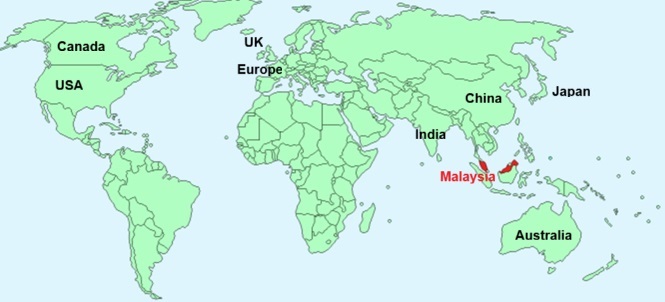
Malaysia in World Map
Malaysia’s time zone is GMT +8 hours, same time zone as Singapore, Manila, Hong Kong, Taiwan, Beijing and Perth. It is 12 hours ahead of US Eastern Time during summer time.

Malaysia in South-east Asia
Refer to world map of Malaysia for its general location in the world. The 11 states in West Malaysia are Johor in the south, Melaka (Malacca), Negri Sembilan, Selangor, Perak, Penang, Kedah, Perlis on the western coasts, Kelantan, Terengganu and Pahang on eastern coasts. The 2 states in East Malaysia are Sabah on the northern side and Sarawak on the western side of Borneo Island. The 2 federal territories in West Malaysia are Kuala Lumpur and Putrajaya. The only federal territory in East Malaysia is Labuan, an island in the South China Sea off Sabah.
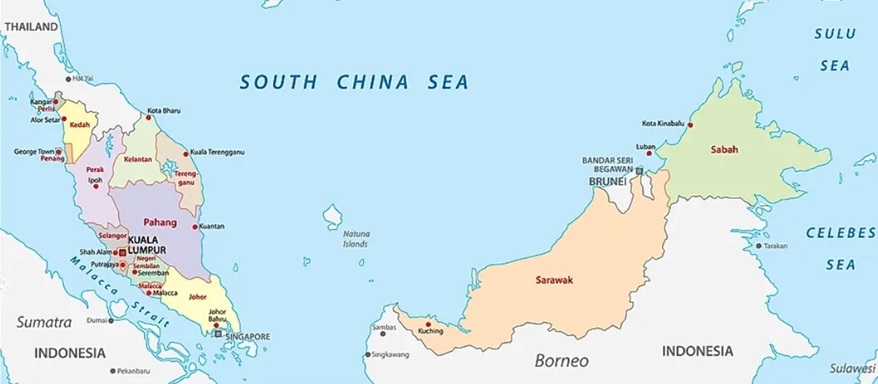
Malaysian States and State Capitals
Climate
As it is near to the Equator, Malaysia has tropical weather all year round with temperature ranging from 25 to 33 degrees Celsius (77 to 91 degrees Fahrenheit) humidity averages 70% and it rains in the afternoon or evening for short spans which cools off the afternoon heat quite a bit. The monsoon season from November to March sees cooler temperature, more rainfall, flooding and rough seas, especially on the eastern and northeastern coasts, hence avoid the seas during bad weather. The dryer season is May to September.
Bring mineral water with you when outdoor under the hot sun to rehydrate, and an umbrella or raincoat will come in handy when it rains. Stay indoor or in the shades if the sun gets too hot to avoid sunburn.
Flights
There are no direct flights from North America. You can fly Singapore Airlines from Los Angeles to Kuala Lumpur with a stopover in Singapore, United Airlines with a stopover in Hong Kong, thereafter with Cathay Pacific, Starlux, EVA Air or China Airlines with a stopover in Taipei. You may also fly from San Francisco to Singapore with United Airlines then onward to Kuala Lumpur using one of the airlines serving the Singapore-Kuala Lumpur route, which is the third busiest air route in the world. From New York City, you can fly Singapore Airlines on one of the longest flight in the world direct to Singapore, or via Frankfurt, thereafter to Kuala Lumpur. You can also fly British Airways from New York City to Kuala Lumpur with a stopover in London.
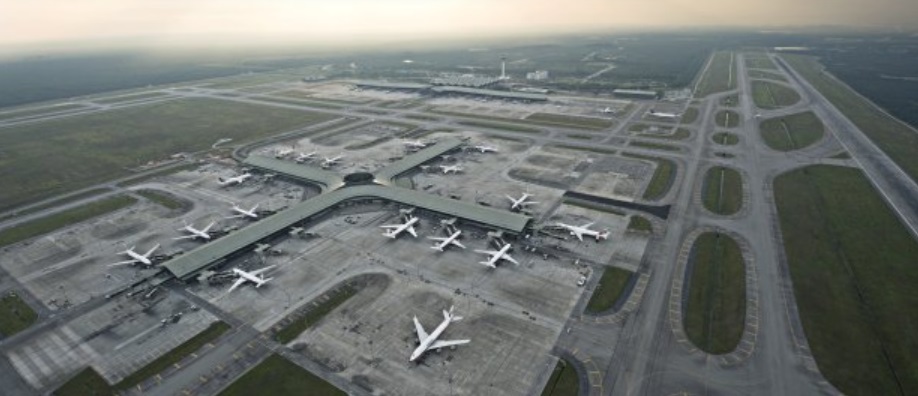
Kuala Lumpur International Airport
Flight time from Los Angeles to Singapore is 17 hours, from New York City is 19 hours, from London is 13 hours, from Sydney is 8 hours, from Tokyo is 7 hours, from Taipei is 4.5 hours, from Hong Kong is 3.5 hours. The flight time from Singapore to Kuala Lumpur is only 45 minutes.
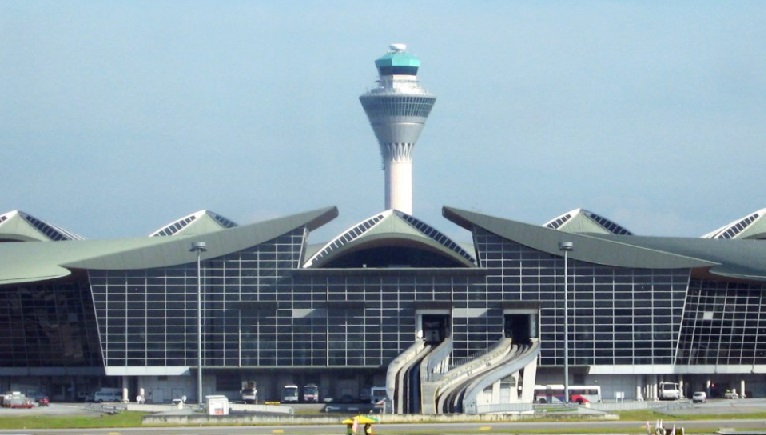
KLIA Terminal 1 Exterior
British Airways flies direct to Kuala Lumpur from London, KLM from Amsterdam, Japan Airlines and ANA from Tokyo, Korean Air from Seoul, Cathay Pacific from Hong Kong and Emirates from Dubai. Qantas flies from Sydney, Melbourne and Perth to Singapore first, thereafter onward to Kuala Lumpur with another airline.
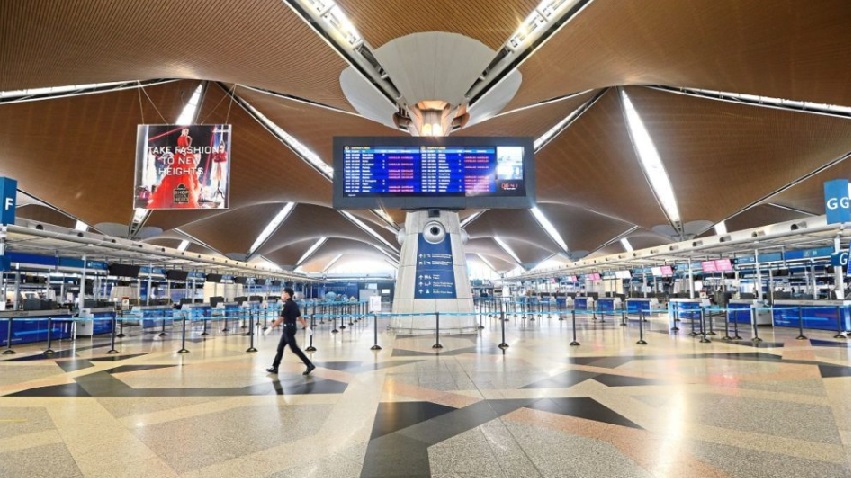
KLIA Terminal 1 Interior
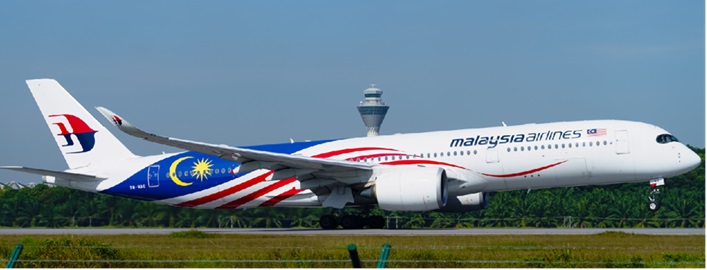
Malaysia Airlines, the national airline, flies direct to Kuala Lumpur from London, Paris, Doha, Tokyo, Osaka, Seoul, Taipei, Hong Kong, Beijing, Shanghai, Guangzhou, Xiamen, Sydney, Melbourne, Adelaide, Perth, Brisbane, Auckland, Maldives, Delhi, Kolkata, Bengaluru, Amritsar, Ahmedabad, Trivandrum, Colombo, Dhaka, Bangkok, Jakarta, Bali, Surabaya, Solo, Medan, Pekan Baru, Manila, Ho Chi Minh City, Hanoi, Phnom Penh and Singapore.
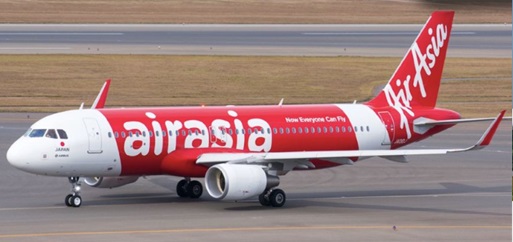
Air Asia, the largest budget airline in Asia with its hub in Kuala Lumpur, flies direct to Kuala Lumpur from Sydney, Melbourne, Tokyo, Osaka, Seoul, Beijing, Shanghai, Chengdu, Taipei, Bangkok, Krabi, Da Nang, Sihanoukville, Jakarta, Bali, Bandung and Singapore.
Kuala Lumpur International Airport (KLIA) has 2 terminals, KLIA 1 (or KLIA) and KLIA 2. KLIA 1 is for full service airlines while KLIA 2 is for budget airlines. Both terminals are served by over 60 airlines flying to 145 destinations in 40 countries.
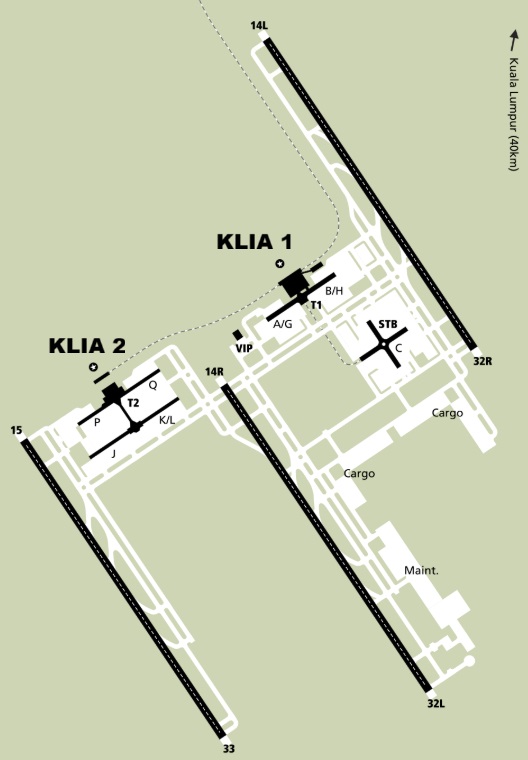
Map of KLIA 1 and KLIA 2 and Runways
Kuala Lumpur is also served by flights from major airports such as Singapore, Bangkok, Jakarta, Hong Kong, Taipei, Seoul, Tokyo, Beijing, Shanghai, Guangzhou, Delhi, Kolkata, Chennai and Dubai.
Hence, with such far and wide air connectivity, Kuala Lumpur is a major air hub in Asia, as you can hop onto Malaysia Airlines or Air Asia and visit 44 destinations in South East Asia, South Asia, North East Asia or Oceania, even Europe.
Beside Kuala Lumpur, you may fly to Penang, Senai, Kuching and Kota Kinabalu as they are the other international airports and gateways to Malaysia.
KLIA is about 60 km (37 miles) from Kuala Lumpur city center, and you may take the train (KLIA Express takes 28 minutes non-stop from KLIA 1 to KL Sentral, the main train/metro hub of Kuala Lumpur. KLIA Transit takes more time as it has 3 stops enroute), the bus (takes about one hour subject to traffic), e-hailing service (Grab being the most popular, similar to Uber) or regular taxi (Grab or taxi takes about 45 minutes subject to traffic). Do allocate 50% more time during peak hours or bad wheather.
There are other modes of transportation - by road and rail from Thailand and Singapore, by ferries from Indonesia and the Philippines.
Please email me if you need help to plan for your trip to Malaysia including mode of transportation, route, visa requirements and length of stay.
Places
Malaysia has a lot to offer - modern cityscape such as the iconic Petronas Twin Towers and huge malls in capital city Kuala Lumpur, historical buildings and fortresses in Penang and Melaka, cave temples and limestone hills in Ipoh, sandy beaches and resort villas in Pangkor, Langkawi, Tioman, and the more remote but almost untouched Redang and Perhentian islands, rainforest and wildlife in Taman Negara. All that is only in West Malaysia.
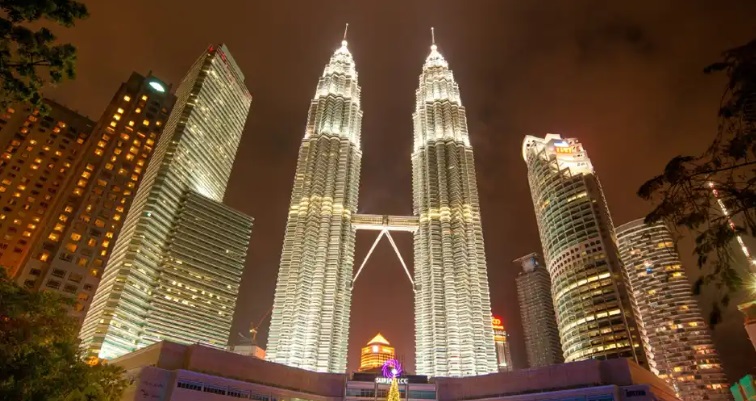
Petronas Twin Towers, Kuala Lumpur
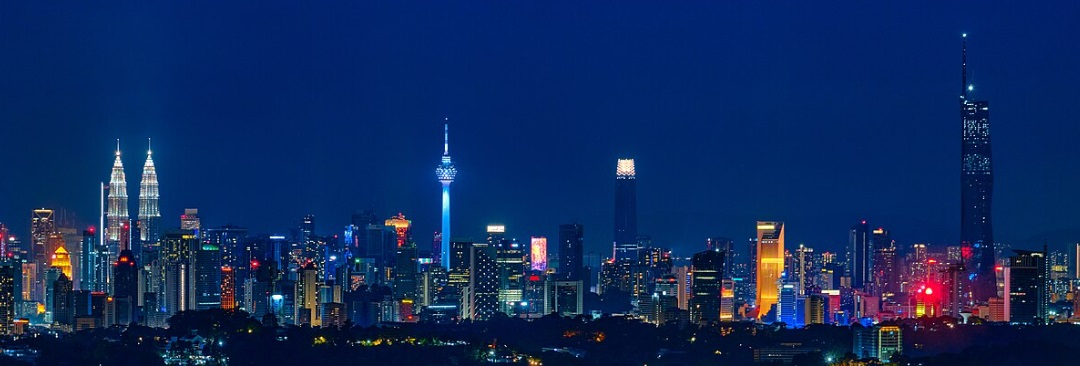
Kuala Lumpur skyline after dark
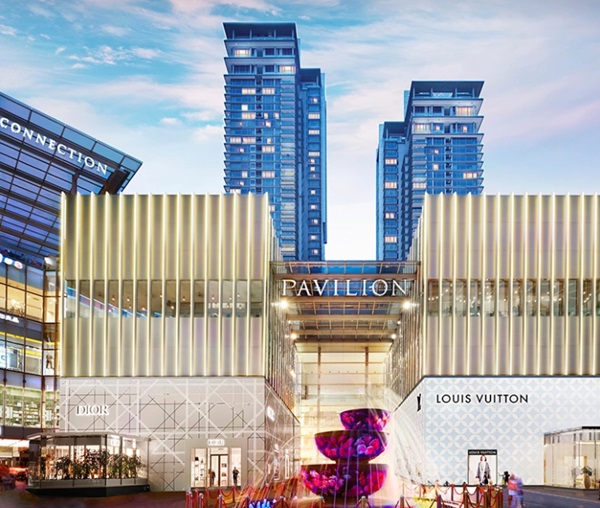
Pavillion Mall, Kuala Lumpur
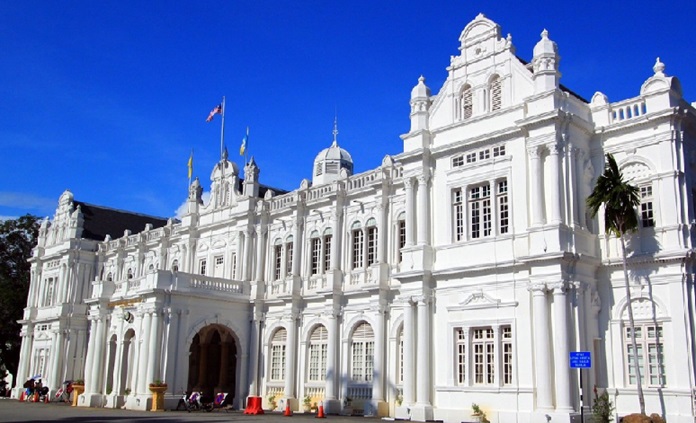
City Hall, Penang

A Famosa Fort, Melaka
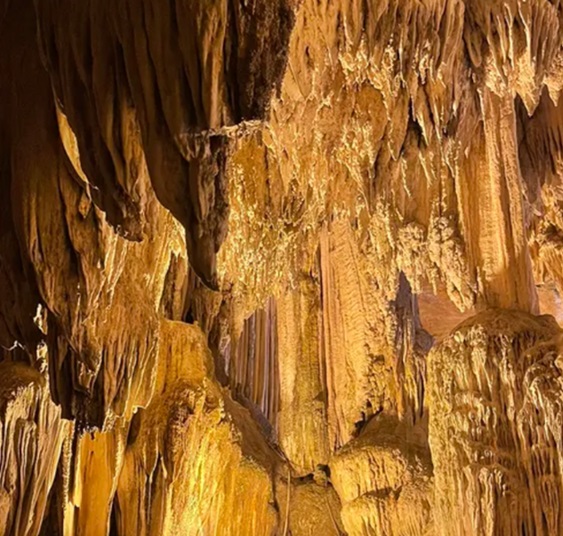
Kek Lok Tong Cave Temple, Ipoh
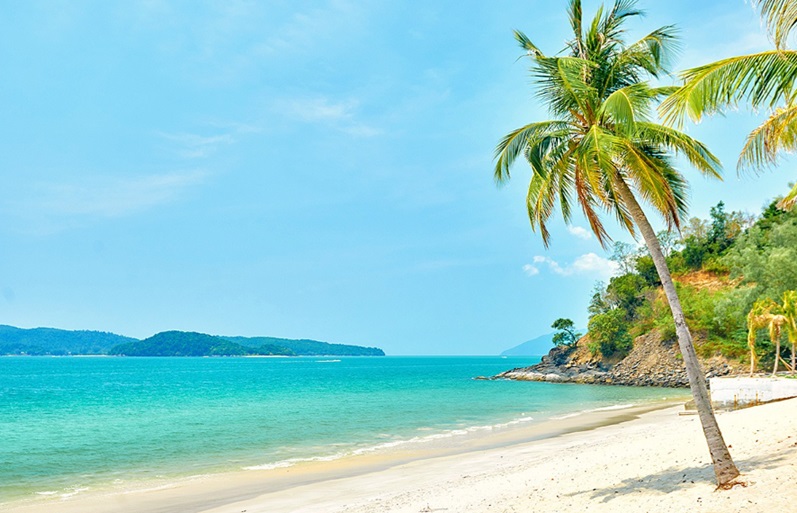
A secluded beach in Langkawi
Across the South China Sea is East Malaysia which is on Borneo Island, the third largest island in the world after Greenland and New Guinea. It is the land of the indigenous tribes, hornbills, orangutans and diverse wildlife. It has the largest cave chamber in the world by surface area, the Sarawak Chamber, the highest peak in South-east Asia, Mount Kinabalu, a famed orangutan sanctuary in Sepilok, and world-class scuba diving spots near Sipidan and Mabul islands.
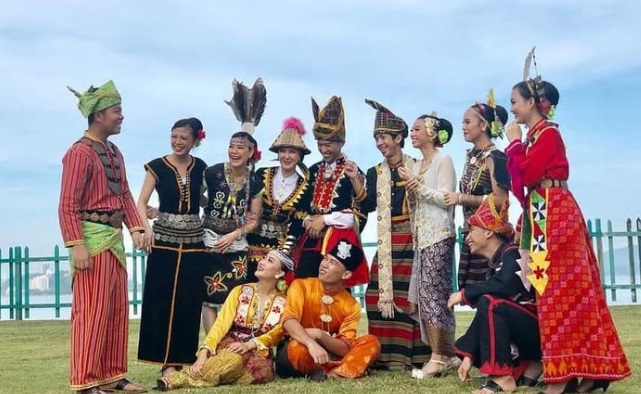
Indigeneous Tribes of East Malaysia
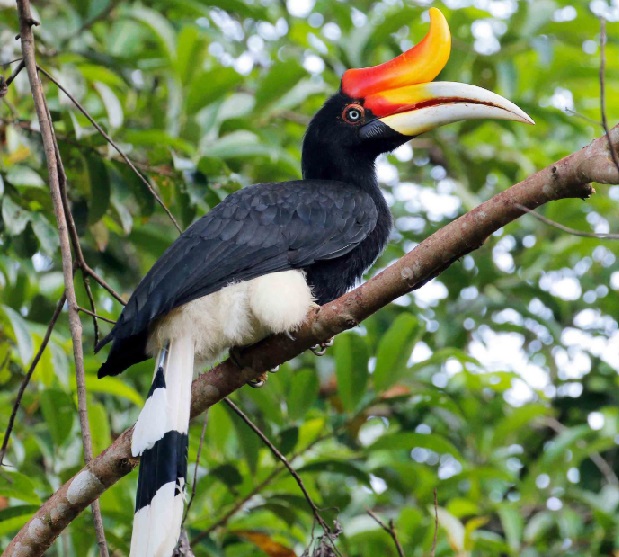
Hornbill
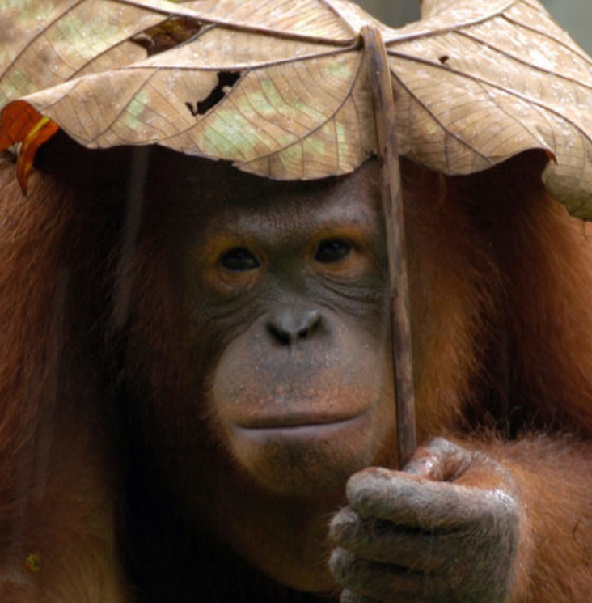
Orang Utan
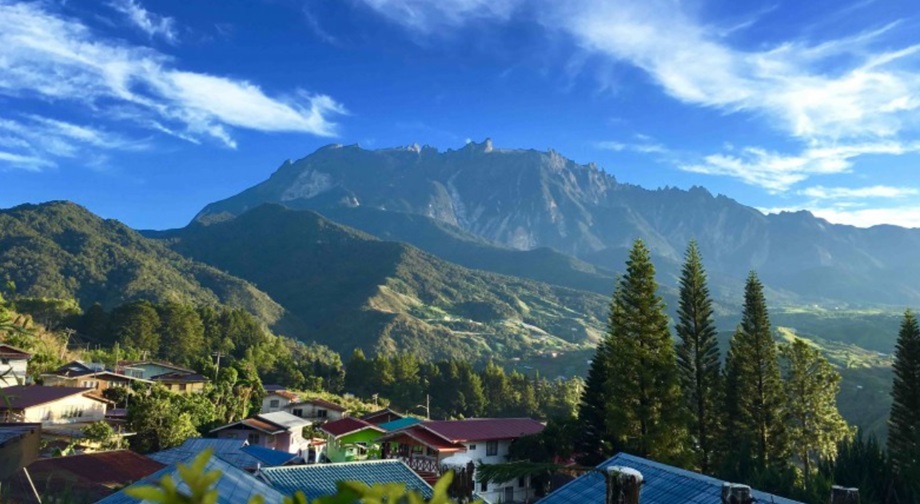
Mount Kinabalu, Sabah
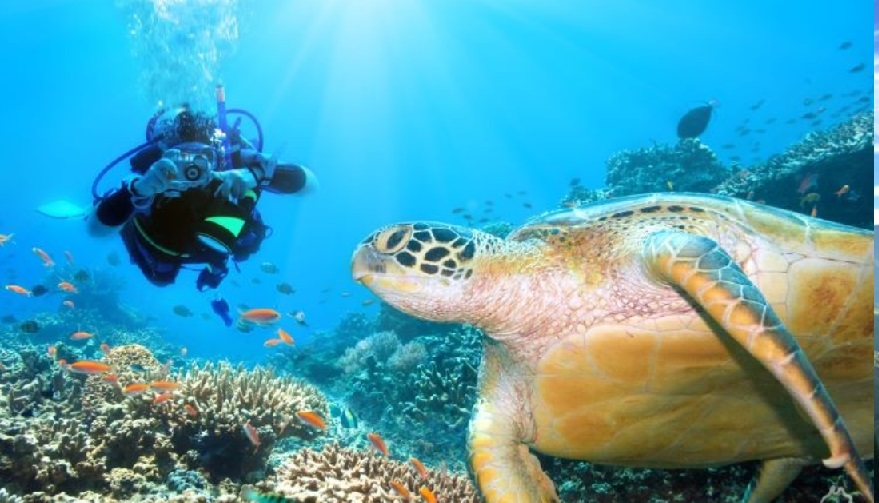
Scuba diving in Sipidan, Sabah
Of course there are many more places that are worth exploring, less touristic and off the beaten track, such as the paddy rice fields in Sekinchan, former tin-mining towns Gopeng on the West Coast and rustic fishing villages such as Penarik on the east coast of West Malaysia.
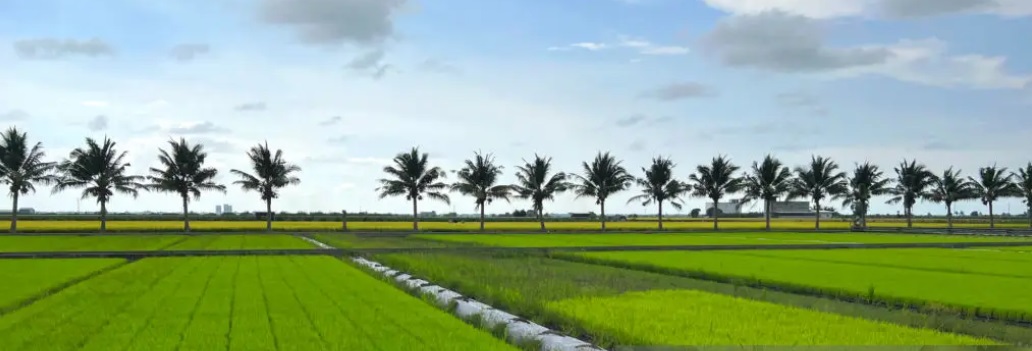
Sekinchan, Selangor

Gopeng, Perak
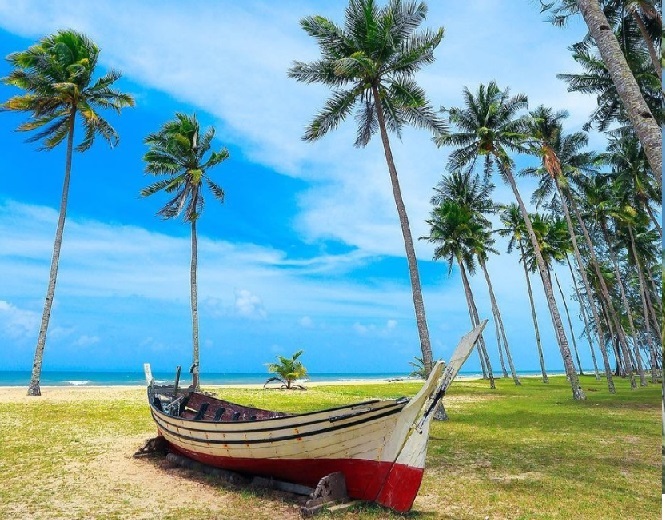
Penarik, Terengganu
Please refer to For Visitors section below for more places and interesting facts about those places.
Please email me for more places that you are keen to visit and for route planning.
Diversity
Malaysia is a melting pot of cultures with diverse ethnic groups, religions, languages, foods and traditions, all are co-existing harmoniuosly side by side and important occasions are proudly celebrated through festivals all year round.
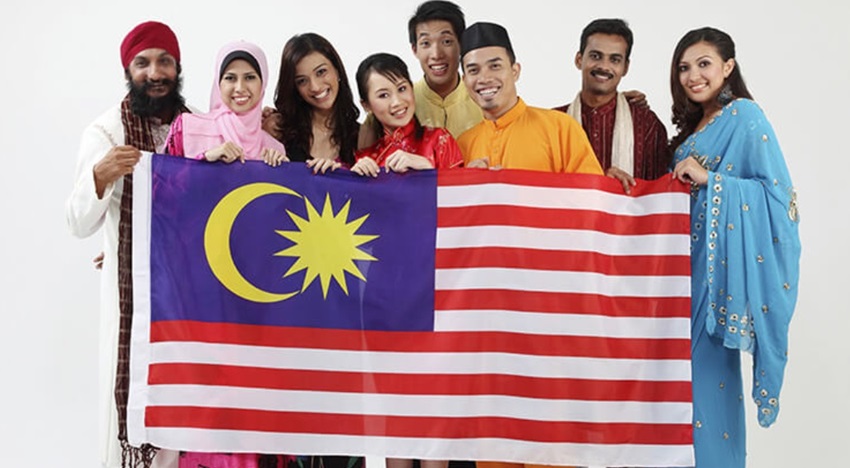
Diversity in West Malaysia
Ethnicity
There are three main ethnic groups in Malaysia - Malays, 57% (if including other Bumiputras, 70%), Chinese, 23%, Indians, 7%. The Malays are the majority but there are other minority groups such as the Sikhs, Eurasians, the hilly tribal Orang Asli in West Malaysia. In East Malaysia’s state of Sarawak, the Ibans are the majority, whereas in the state of Sabah, the Kadazan-Dusuns are the majority, followed by Malays, Chinese and other tribes - Bidayuh and Melanau in Sarawak, Bajau and Murut in Sabah, and many more not mentioned here. Each ethnic group is preserving its own identity and culture but respectful and tolerant to one another living in harmony. Total population in Malaysia is 36 million. Although East Malaysia has 60% of land area, it only has 17% of the total population.
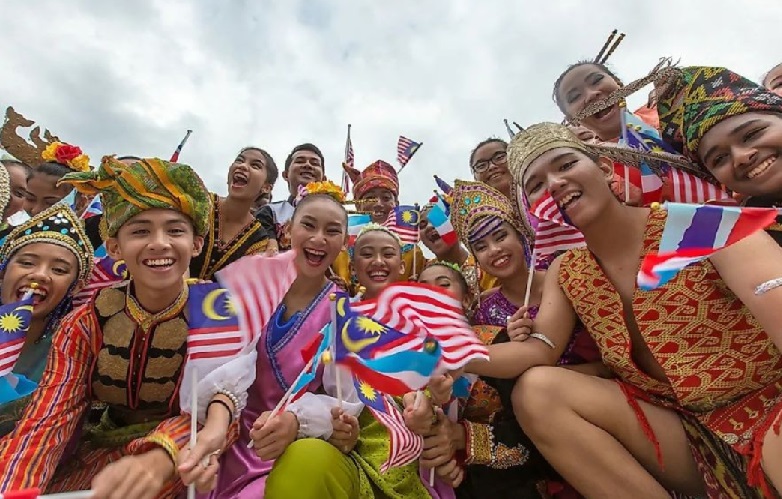
Diversity in East Malaysia
Religion
Mosques, temples and churches are found next to each other in many cities and towns, a unique showcase to the world that Muslims, Buddhists, Hindus and Christians can live peacefully together. Muslims are the majority and prayers can be heard from mosques 5 times a day. However, other religions and beliefs are freely and openly practised too, each faith respecting the other. Do pay attention to proper dress code when visiting mosques and temples and that Muslims only consume non-alcoholic drinks and halal foods. Alcohol and pork are non-halal.
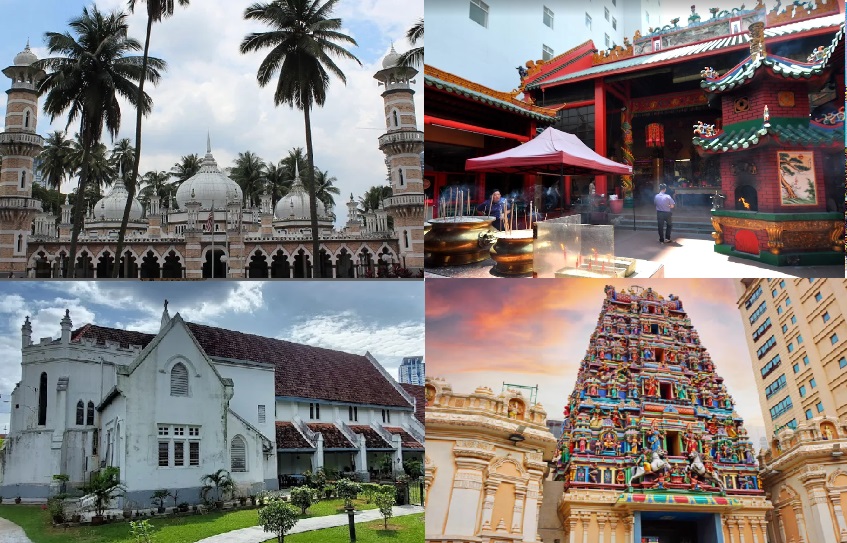
Mosque, Chinese Temple, Church and Hindu Temple in downtown Kuala Lumpur
Language
Many Malaysians speak English in addition to their own native language or mother tongue, so it is easy for visitors from English-speaking countries to communicate with locals. While the Malays speak Malay as the native language, Chinese speak Mandarin and dialects such as Cantonese, Hokkien, Hakka, Teochew, while Indians speak Tamil. Each ethnic group preserves and speak their own language freely but Malay and English is widely used as the common language between different ethnic groups. Malay is used in government departments while English is widely used to conduct business in the private sector. Hence, it is common for Malaysians to speak several languages and switch from one language to another with ease, depending on the audience.
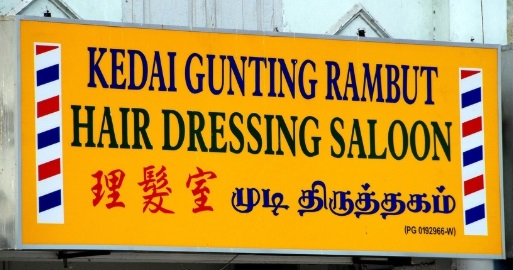
Signboard with Malay, English, Chinese and Tamil
Food
Malaysia is a food paradise - Malay, Chinese, Indian restaurants are found everywhere. In the larger cities there are also many Western, Indonesian, Thai, Japanese, Koreans, Vietnamese and middle eastern restaurants, including vegetarian food restaurants. The national dish is Nasi Lemak, most popular thin bread is Roti Canai, the national drink is 100 Plus, the most popular beverage is Milo and for coffee lovers, you must try the Ipoh White Coffee. Other popular local dishes include Laksa, Char Kwee Tiao and Chicken Rice. For breakfast, everyone will love Kaya Butter Toast and a cup of local Kopi. Do not forget that you must try King of the Fruit, the Musang King durian when you are in Malaysia. You either love it or hate it.
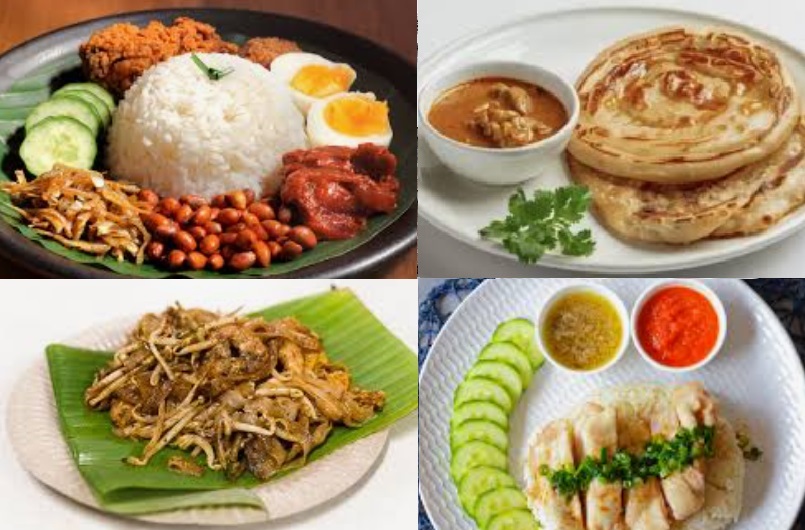
Nasi Lemak, Roti Canai, Char Kwee Tiao, Chicken Rice
There are many variety of local snack food and pastries, such as satay or grilled meat stick, fried prawn cake, pandan cake, putu piring or putu bambu, apam balik, kueh lapis and pisang goreng. Remember to try the famous, thick and juicy Ramli Burger which will be unforgettable.
Tradition
Each ethnic group is preserving its unique identity and tradition such as architecture, art, costumes, music, dance, songs, games, sports, food, weddings, religious rites, harvest etc and celebrating each festive occasion proudly - Hari Raya for the Muslims, Lunar New Year for the Chinese, Vesak for the Buddhists, Deepavali for the Hindus, Christmas for the Christians and Gawai for the Dayaks as well as many other festive occasions not mentioned here. During festivals, they will decorate their homes, wear traditional costumes, participate in parades and spread their joy by sharing gifts and festive foods with neighbours, friends and even strangers. Some prominent Malaysians will invite the public to their open houses for a feast to celebrate the festive occasion together. The big malls in Malaysia will also decorate their interior and exterior elaborately to mark and celebrate the occasions.
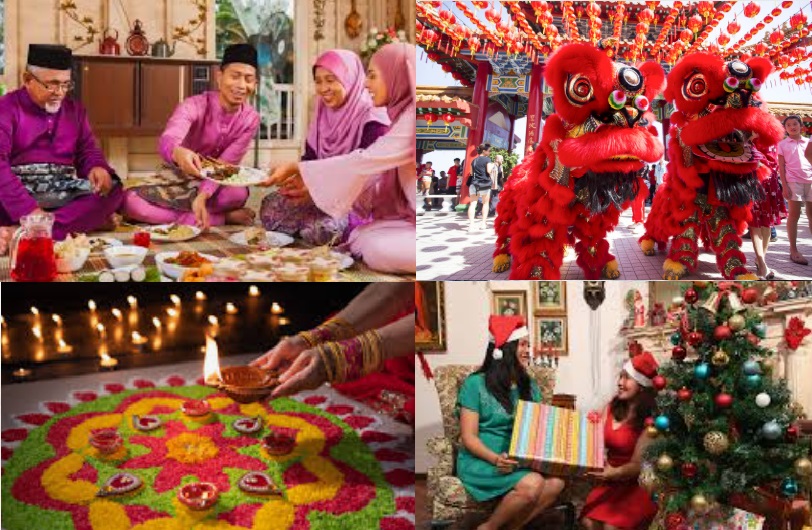
Muslims, Buddhists, Hindus and Christians celebrate Aidil Fitri (Eid al-Fitr), Chinese/Lunar New Year, Deepavali/Diwali and Christmas in Malaysia
Merdeka
Malaysia gained independence from the British on August 31, 1957. Merdeka or Independence is celebrated in a big way - on the eve of August 31, spectacular fireworks can be seen in KLCC Park near Petronas Twin Towers in Kuala Lumpur, the following morning colourful parades and flybys are watched by tenths of thousands in Putrajaya, the administrative capital not far from Kuala Lumpur, or in Merdeka Square, Kuala Lumpur, as the parade venue may change from one year to another.
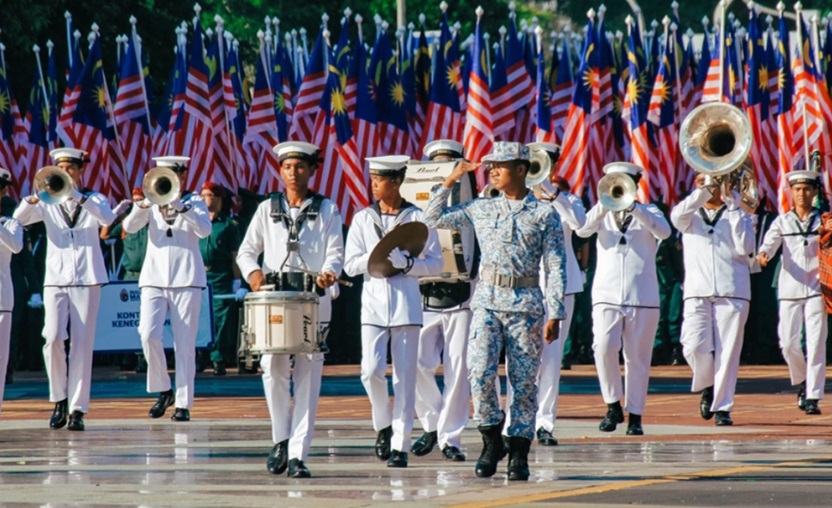
Merdeka/Independence Day Parade
Malaysia Day
East Malaysia's Sabah and Sarawak and Singapore joined Malaysia on September 16, 1963 and Malaysia Day is celebrated on this day. Parades, bazzar, games and stage performances are organised and joined by thousands basking in carnival mood in Merdeka Square, Kuala Lumpur and in other cities or towns. The state capitals of Sabah and Sarawak will also have their own events to celebrate the occasion, including fireworks, parades, bazaars and stage performances.
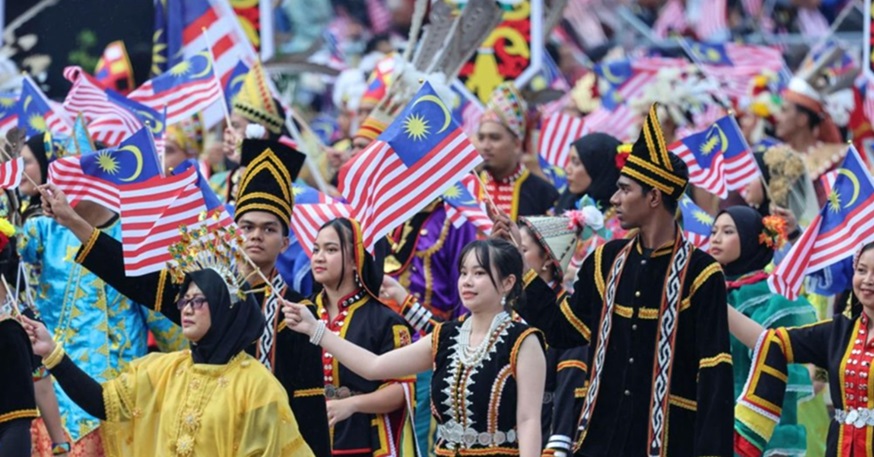
Malaysia Day Parade
Singapore joined Malaysia on the same day but separated from Malaysia on August 9, 1965.
For Visitors
As described in “Places” above, there are many places you can visit while in Malaysia, from modern cities with high-rise and mega malls, food streets, theme parks to historical cities or towns with forts and colonial buildings, sandy beaches, hilly resorts, mountains, nature and wildlife. There are a lot to see, do and experience for individuals or families.
Recommended to visit in Kuala Lumpur (KL):
*Petronas Twin Towers (Suria KLCC mall inside, sky bridge, observation deck, aquarium, science discovery centre)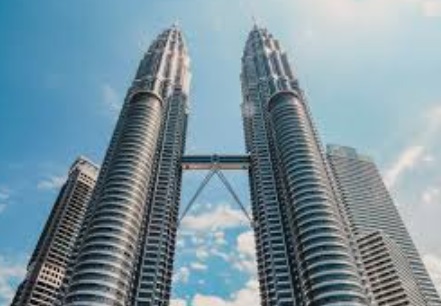
*KLCC Park (musical fountain, park & kids' pool among high rise)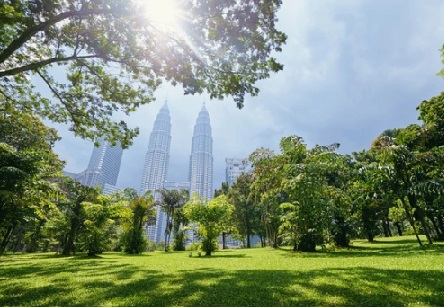
*KL Tower (observation deck & restaurant)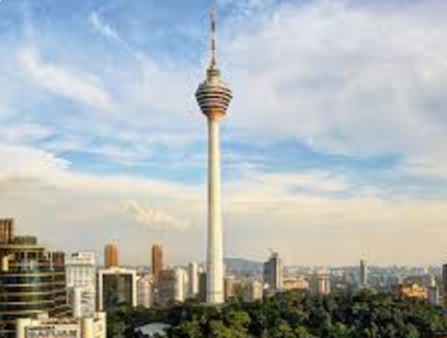
*KL Forest Eco Park (canopy walk) 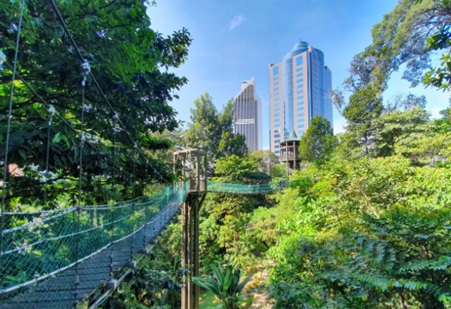
*Merdeka 118 (second tallest building in the world)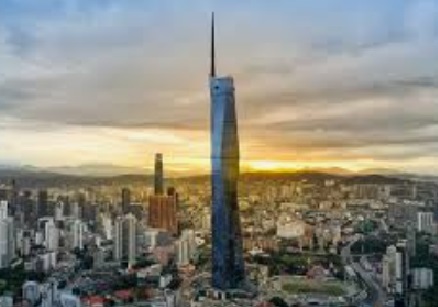
*The Pavilion (high end mall)
*The Exchange TRX (newest mall with sky garden)
*Jalan Bukit Bintang (shopping street & district)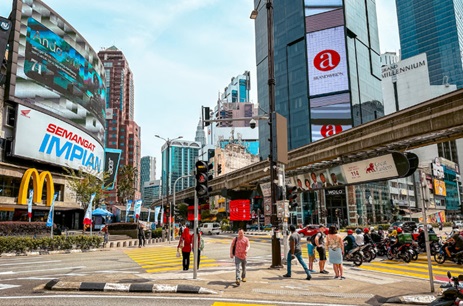
*Time Square (mall & indoor roller coaster)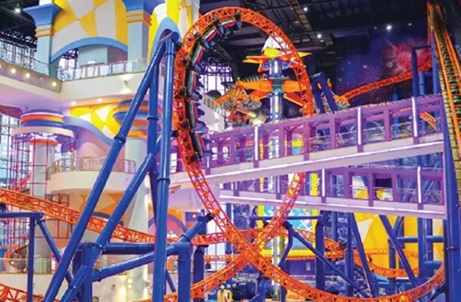
*Bukit Changkat (trendy bars & restaurants)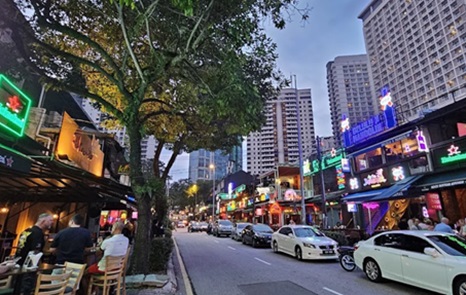
*Jalan Alor (popular food street for tourists)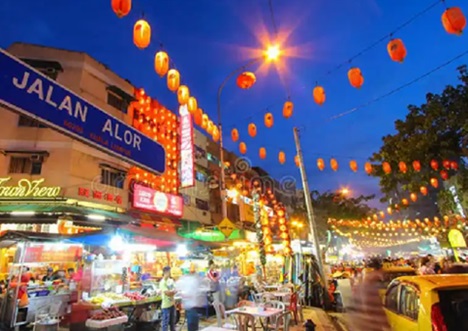
*China Town/Petaling Street (local chinese food, knock-offs, counterfeits, durian shop)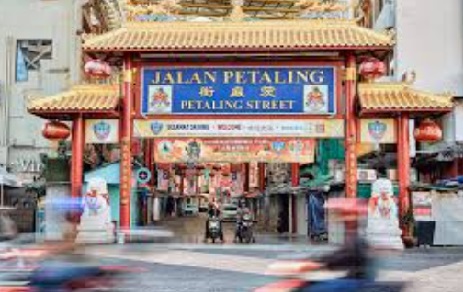
*Central Market (gifts, handicrafts, arts, traditional costumes)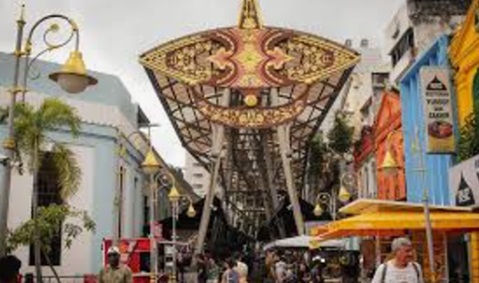
*Rivers of life near Masjid Jamek at night (oldest mosque in KL)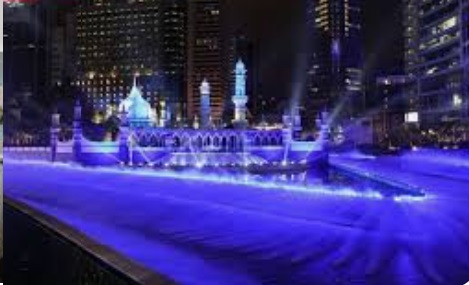
*Merdeka Square (grand colonial building, cricket field, giant flag & tallest flagpole)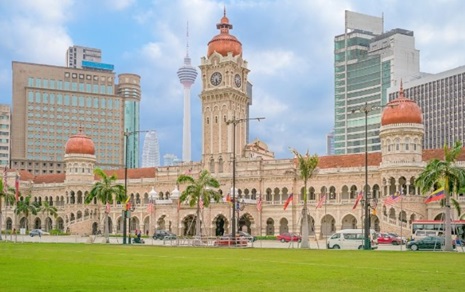
*Perdana Botanical Gardens (parks, ponds, forests, bird park, butterfly park)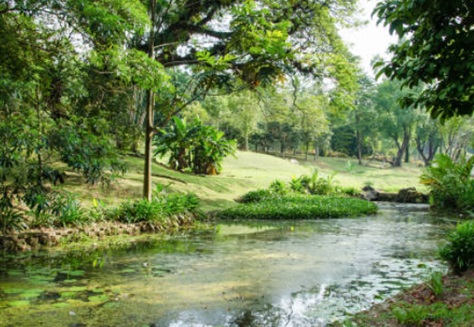
*National Museum (history of Malaysia from 15th century)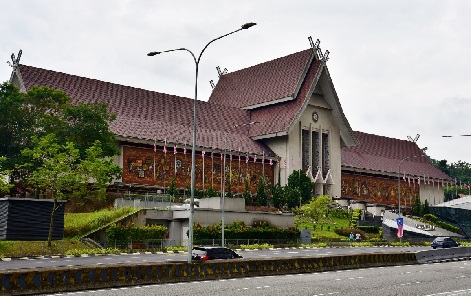
*National Mosque (beautiful Islamic architecture)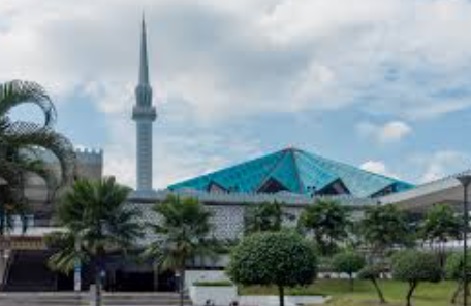
*National Monument (memorial for fallen soldiers)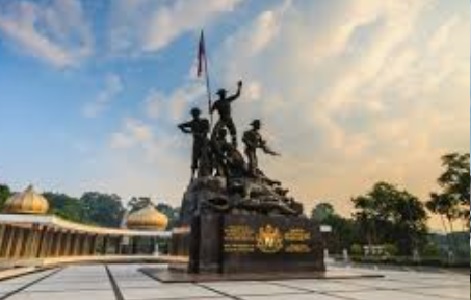
*Tian Hou Temple (Taoist temple overseeing KL)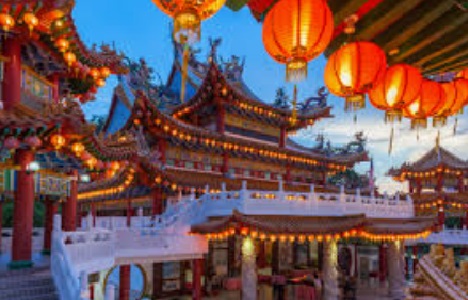
*Bricksfield (Little India)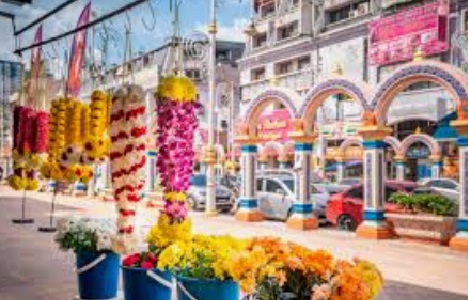
*Batu Caves (Indian temple in a limestone cave on top of 272 steps of rainbow-coloured stairs)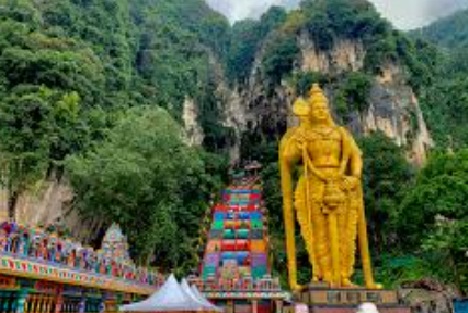
*Kampung Baru (the only traditional Malay village in the heart of KL)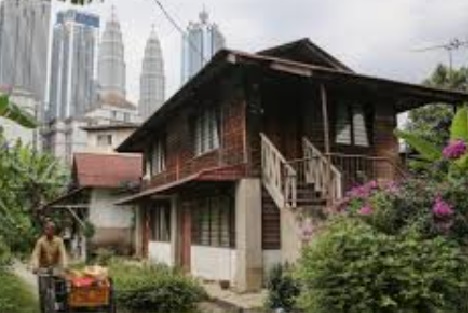
*Putrajaya (the administrative capital with lakes, parks and beautiful mosques, buildings and bridges)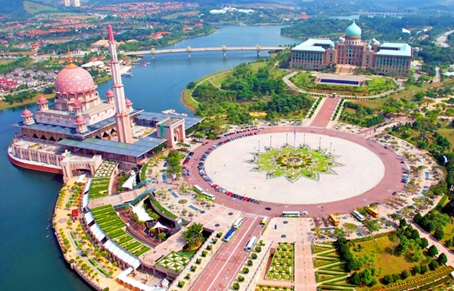
*Genting Highlands (outdoor & indoor theme parks, casino & resorts on a mountain top 1,865 metres above sea level about an hour’s drive from KL)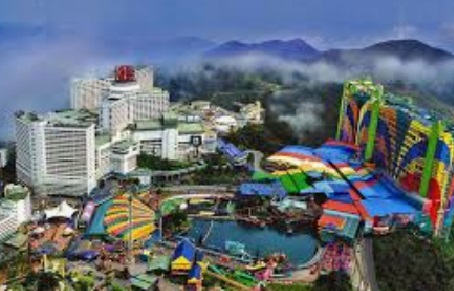
The other cities or towns you may like to visit in West Malaysia are:
*Melaka, a UNESCO heritage city, was ruled by the Portuguese, Dutch and British hence is rich in colonial history including forts, churches and buildings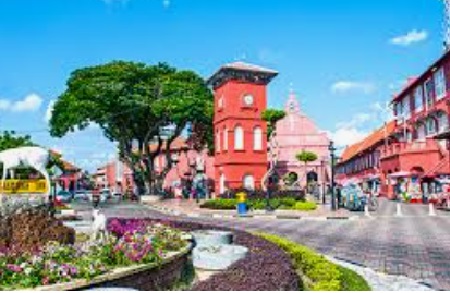
*Ipoh, a former tin-mining town turned city, is a food paradise with old-charm street houses surrounded by limestone hills and cave temples 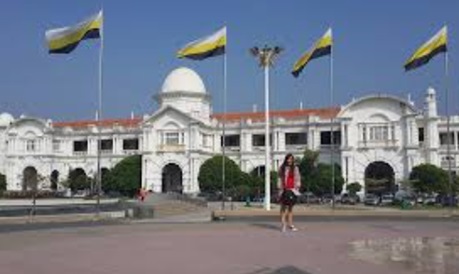
*Cameron Highlands, a mountain resort town with tea plantations, strawberry farms, camping sites and hiking trails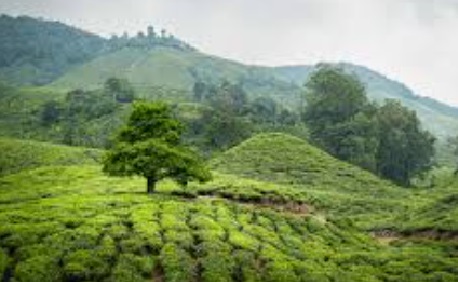
*Taiping, a big town with old-charm street houses, delicious local food, the oldest hill station Maxwell Hill and the most beautiful Taiping Lake Garden, undoubtedly 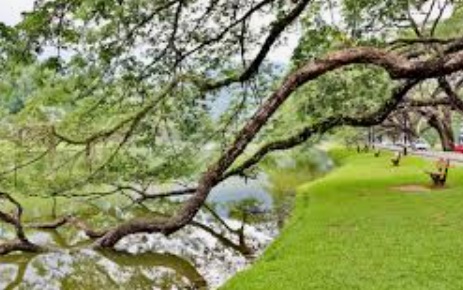
*Penang, another UNESCO heritage city, was ruled by the British, a food paradise with old mansions, colonial buildings, forts, beaches and beach hotels 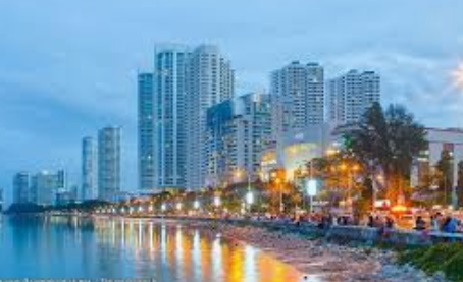
*Langkawi, a duty-free resort island in the northwest off mainland West Malaysia near to the Thai border, is famous for its beautiful beaches, resort hotels, eagle sanctuary, mangrove forest and rainforest mountain top with skybridge reachable via the steepest cable car in the world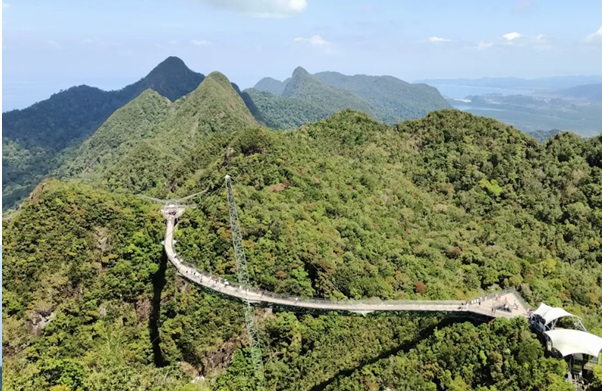
These are the cities or towns worth a visit in East Malaysia:
*Kuching, the state capital of Sarawak, is fondly known as Cat City, has cultural sites like the Sarawak Cultural Village where you see long houses of the Ibans, Fort Margherita, the Kuching Waterfront, the Cat Museum and the chance to see hornbills, a big bird with very large and bright coloured beak, an icon of the state 
*Miri, is near to several national parks and the famous Mulu and Niah Caves, as well as Sarawak Chamber in Gunung Mulu National Park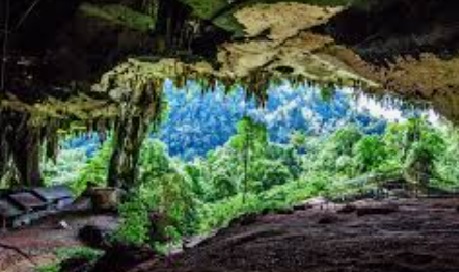
*Kota Kinabalu, the state capital of Sabah, is famous for the world’s most beautiful sunset, island hopping and is where you will land before climbing Mount Kinabalu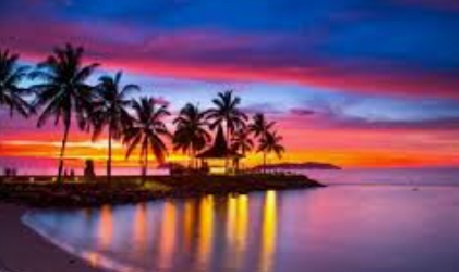
*Sandakan, is near to the famous Sepilok Orang Utan sanctuary, the Kinabatangan River cruise and the chance to see the big nose Proboscis monkeys and other wildlife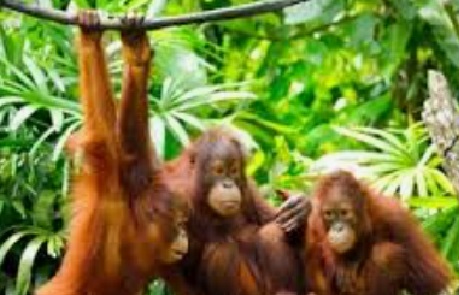
*Semporna, is the costal town that is launching the diving trips to waters around Sipidan, Mabul and Kapalai islands, among the top world-class diving spots in the world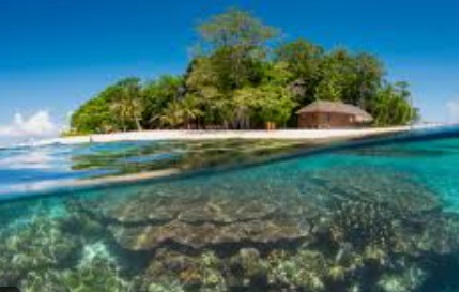
For the various places of interests and how to get there, please contact me at my email address above.
For Students
Malaysia has many public, private and international schools as well as universities to choose from. The public schools and universities are for Malaysians and permanent residents which is free from primary, secondary to pre-university, and nominal fee for university. There are 3 types of public primary schools - the Malay national schools, the Chinese national type primary schools and the Tamil national type primary schools, which medium of teaching is Malay, Mandarin and Tamil respectively. Malay and English are mandatory from primary to secondary. Primary education is 6 years from age 7, lower secondary is 3 years, upper secondary 2 years and pre-university 2 years. Pre-university is equivalent to A-Levels in the UK. Medium of teaching in public secondary schools and pre-university are in Malay and English, the latter is more for science and mathematics subjects.
There are private high schools which attract students who want a separate education pathway that prioritise Mandarin for entry into universities in Taiwan or China.
Many international schools - close to 200 - in Malaysia offer foreigners’ children the opportunity to start education as early as K1 and K2, and then up to K12, some even have own campus with university degree programs but most tie up with established foreign universities. The international schools are of good quality and great value and run IB, Cambridge, Canadian, Australian and American curriculums.
Besides 20 public universities reserved for Malaysians, there are many private universities in Malaysia which locals or foreigners can study at, including:
*Multimedia University
*Taylor's University
*Sunway University
*Asia Pacific University
*Monash University
*Curtin University
*Swinburne University of Technology
*University of Nottingham
*University of Southampton
*University of Reading
*Newcastle University Medicine
*Heriot-Watt University
*International Medical University
*RCSI & UCD
*UCSI University
*Xiamen University
Parents of young child can apply for visa to accompany their child after the child’s student visa is approved. However their parents are not allowed to work while in Malaysia.
For the various international schools, their curriculums and locations, please contact me at my email address above.
For Professionals
If you would like to work and live in Malaysia, you will need an employer to give you a letter of offer. Your employer will sponsor and initiate your employment pass application. You may enter Malaysia using visitor visa (visa exempt for most citizens from North America, Europe, UK, Oceania, North-east Asia and South-east Asian countries, please check before planning your trip) and then get your passport endorsed at the immigration office, which may be valid for up to 5 years depending on categories.
For digital workers such as bloggers, programmers or IT consultants who do not work for employers, if you would like to live in Malaysia and earn your income from overseas remotely, there is the digital nomad visa that allows you to stay in Malaysia for 3 to 12 months, renewable for another 12 months.
For the how to apply for employment pass or digital nomad visa, please contact me at my email address above.
For Retirees
The Malaysia My Second Home or MM2H program for West Malaysia is suitable for retirees who have sufficient funds to put down a deposit and buy a home for the genuine purpose to retire in Malaysia. Foreigners from age 25 can apply. There are 3 categories:
Silver
Term: 5 yrs.
Renewable: Yes.
Fixed deposit: 150k usd.
FD usable: 50% (for property, education, medical & tourism).
Property, min.: 600k myr (may differ for different states, for example
Kuala Lumpur is 1 mil myr, Selangor is 2 mil myr).
Min. stay: 90 d/yr (can accumulate the days for principal applicant & dependent between age 25 to 49).
Dependents: spouse, unmarried children up to age 34, parents, parents-in-law.
Conduct business/work: No.
Domestic helper: No.
Gold
Term: 15 yrs.
Renewable: Yes.
Fixed deposit: 500k usd.
FD usable: 50% (for property, education, medical & tourism).
Property, min.: 1 mil myr (may differ for different states, for example
Kuala Lumpur is 1 mil myr, Selangor is 2 mil myr).
Min. stay: 90 d/yr (can accumulate the days for principal applicant & dependent between age 25 to 49).
Dependents: spouse, unmarried children up to age 34, parents, parents-in-law.
Conduct business/work: No.
Domestic helper: No.
Platinum
Term: 20 yrs.
Renewable: Yes.
Fixed deposit: 1 mil usd.
FD usable: 50% (for property, education, medical & tourism).
Property, min.: 2 mil myr (may differ for different states, for example
Kuala Lumpur is 1 mil myr, Selangor is 2 mil myr).
Min. stay: 90 d/yr (can accumulate the days for principal applicant & dependent between age 25 to 49).
Dependents: spouse, unmarried children up to age 34, parents, parents-in-law.
Conduct business/work: Yes.
Domestic helper: Yes.
(Malaysian currency is known as Ringgit Malaysia or RM, or MYR)
Participation fee of 1K myr for main applicant and agent fee of 40k myr, 55k myr & 70k myr for Silver, Gold & Platinum respectively.
The MM2H requirements for the Johor Special Economic Zone (SEZ) include a minimum age of 21, a fixed deposit of 65k usd (for ages 21-49) or 32k usd (for ages 50 and above), and purchasing a property directly from the developer in the relevant zone.
East Malaysia’s Sarawak’s and Sabah’s MM2H programs also differs from West Malaysia’s with lower requirements.
For the how to apply for MM2H visa, please contact me at my email address above.
For Investors
The Malaysia PVIP (Premium Visa Programme) is a 20-year, renewable long-term residency visa for wealthy individuals who wish to invest in Malaysia. It allows holders to live, work, study, and conduct business in Malaysia and has a 20-year duration, renewable for another 20 years. To be eligible, applicants need a minimum offshore income of 40k myr per month or 480k myr annually and must make a 1 mil myr fixed deposit investment.
Application fee of 200k myr for principal applicant & 100k myr for each dependent and agent fees of 40k myr for principal applicant & 30k myr for each dependent.
As PVIP holder, you can invest in real estate - residential, commercial or industrial, stocks on Malaysia’s stock exchange, REITs and equity crowd funding.
For the how to apply for PVIP visa, please contact me at my email address above.
Why Malaysia?
Those who have taken the bold decision to move to Malaysia are motivated by:
1. Low cost of living but high quality of life (affordable luxury living)
2. Good roads, rails, air connectivity and fast internet
3. Secure and safe living environments (low crime rates and no natural calamities like typhoon or earthquake)
4. Low language barrier (English are widely spoken)
5. Food paradise (Malay, Chinese, Indian and international cuisines)
6. High quality education (wide choices of international schools and universities)
7. Excellent health care (world-class hospitals and medical tourism)
8. Lots of places to visit or explore
9. Abundance of indoor and outdoor activities
10. Family and child friendly
11. Friendly and helpful Malaysians
12. Diversity with lots of festivities
If above appeals to you and you are considering to migrate to another country with genuine intention to study, work, invest or retire, do consider Malaysia, which is getting popular among many nationalities. Field trips or study tours can be arranged to see and experience yourself the real thing before committing to take the final step to migrate.
Hope to hear from you soon.
Remark : It shall be noted that Malaysia does not grant permanent residence or citizenship easily unless you are the spouse or child of a Malaysian citizen, especially if the husband or father is a Malaysian citizen. Even so, it may take more than 10 years to get just the permanent residence, much longer for citizenship.
Enquiries
If you would like me to provide advisory, help you plan and provide live WhatsApp support after landing, please contact Tony Leong at leong@1cresttechnologies.net